


Government commitment and coordination across ministries is essential for creating an enabling environment that supports responsible mineral development at scale.

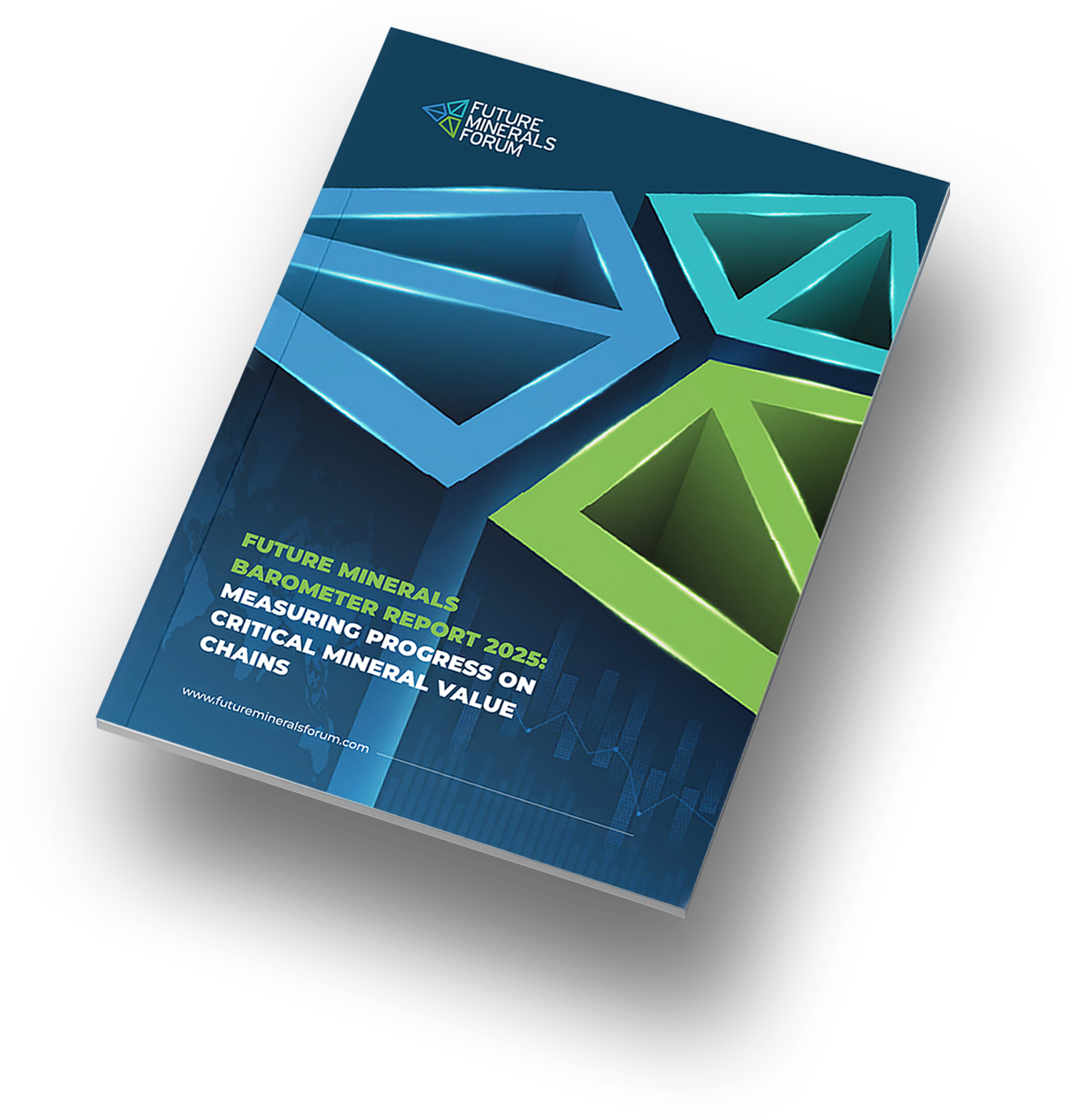
Measuring Progress on Critical Mineral Value chains
Pillars of Success
The Future Minerals Barometer evaluates the global critical minerals landscape through five interconnected pillars, each capturing a distinct dimension of supply chain readiness and progress.

Enablers
what makes mineral supply growth possible?

Corridors
where opportunity is taking shape.

Risk & Resilience
what threatens or strengthens supply systems?

Market signals
what prices, spending, and sentiment are telling us?

Progress tracking
how we measure year-on-year progress.


05
Structural forces
are reshaping the global critical minerals sector, from geopolitical tensions to the accelerating energy transition.
65%
Single-country dependency
persists across key mineral supply chains, posing significant strategic risks.
45%
Of global refined EV materials
remain concentrated in China, underscoring the urgency for supply chain diversification.
20%
Annual growth expected
in critical mineral production to meet the surging global demand for clean energy technologies.

“
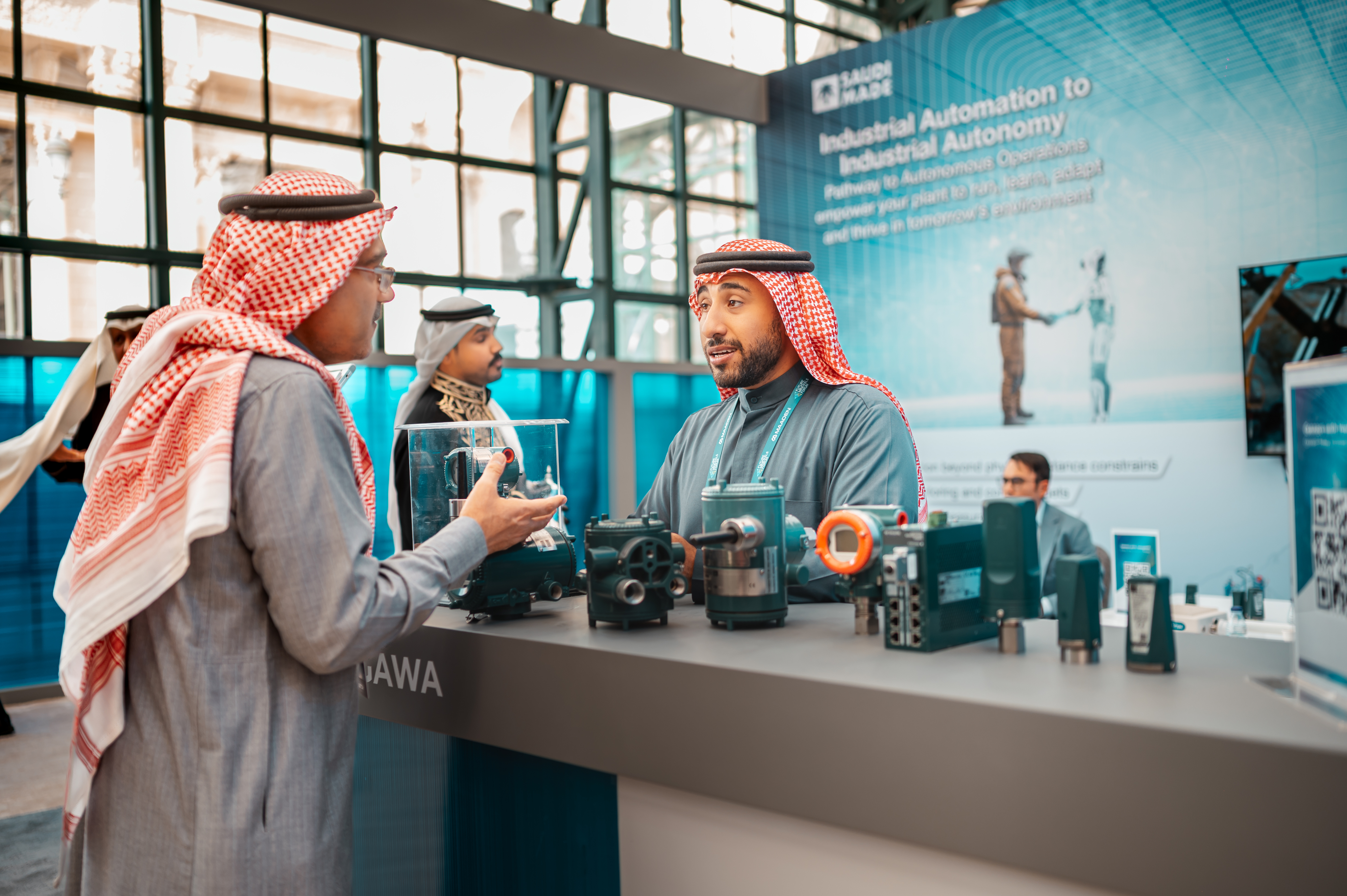
The Future Minerals Barometer is a landmark document for the minerals industry – highlighting key trends, stakeholder sentiment, and progress on critical mineral supply.
Vice Minister for Mining Affairs / Ministry of Industry and Mineral Resources
Critical Minerals Have Become Strategic Assets
Once overlooked, critical minerals now sit at the center of global economic and energy policy. From lithium and cobalt to rare earth elements, these resources are essential to the clean energy transition, advanced manufacturing, and national security strategies worldwide.
As governments and industries compete to secure supply, the global minerals landscape is being fundamentally reshaped. Understanding these dynamics is no longer optional - it is essential for informed decision-making.
Policy & Regulation
The stability, clarity, and consistency of policies that enable long-term investment and development.
Developing a skilled workforce through education, training, and knowledge transfer is critical for building long-term capacity in mineral-rich nations.
The stability, clarity, and consistency of policies that enable long-term investment and development.
Mobilizing capital from public and private sources is essential to bridge the significant investment gap in critical mineral exploration, extraction, and processing.
Understanding geological endowments and resource potential is the starting point for any mineral development strategy and investment decision.
Embedding environmental stewardship and social responsibility throughout the mineral value chain is vital for long-term viability and social license to operate.
Embedding environmental stewardship and social responsibility throughout the mineral value chain is vital for long-term viability and social license to operate.
A Holistic Way to Measure Readiness, Beyond Production
Readiness for critical minerals goes beyond output. The Barometer assesses the conditions needed to build resilient, sustainable value chains, from policy and capital to infrastructure, talent, technology, and long-term stewardship.

Perspectives From Global Mining and Minerals Leaders

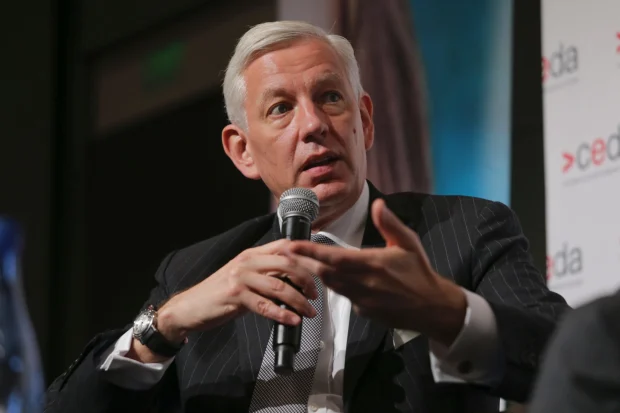
Technology and productivity gains will determine long-term competitiveness
Chief Executive Officer | Maaden
Capital alone is not enough, policy certainty and enabling infrastructure are critical
Chairman | Codelco
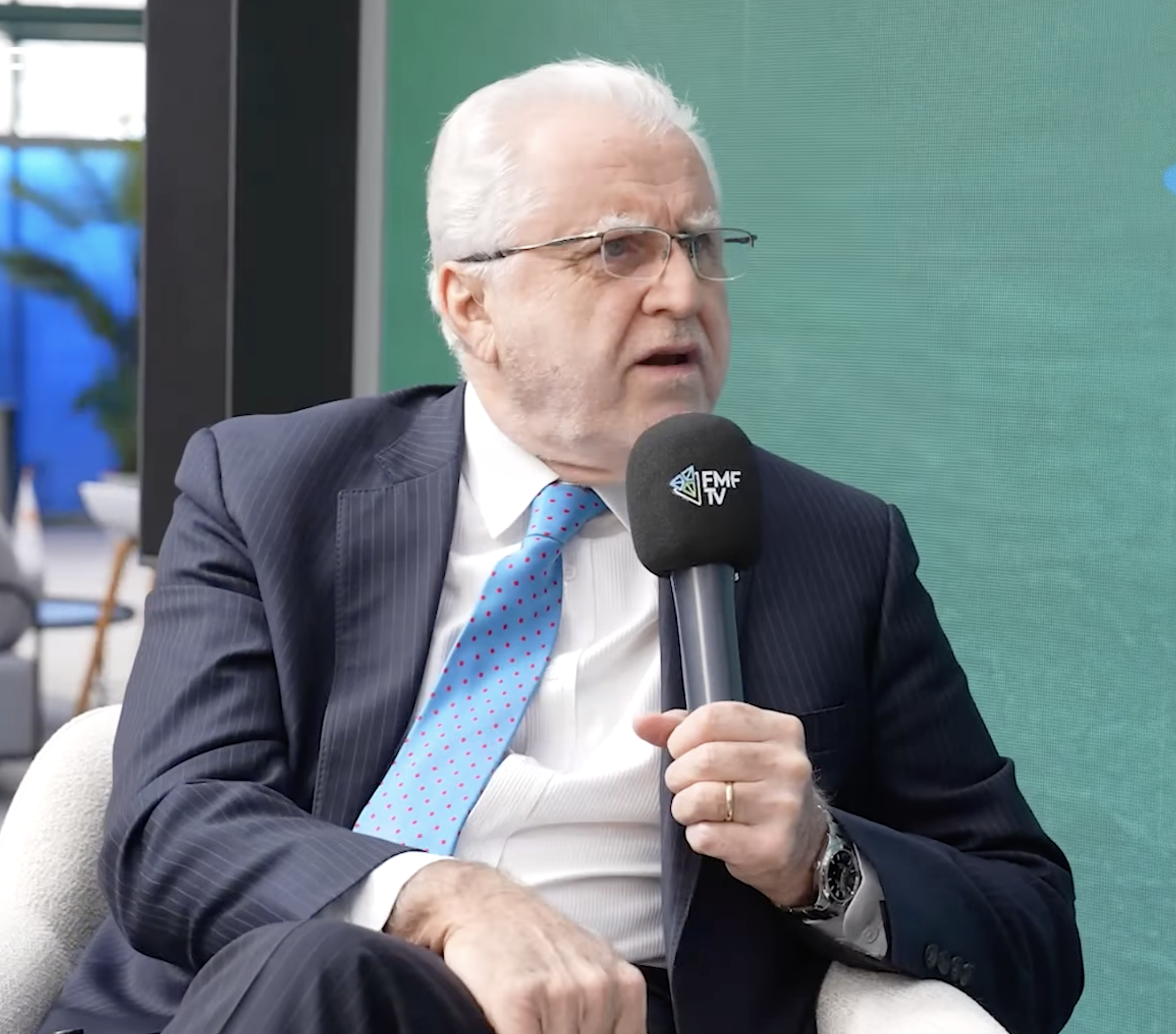
Supply chains must diversify, concentration risk is no longer sustainable
Chair | Rio Tinto
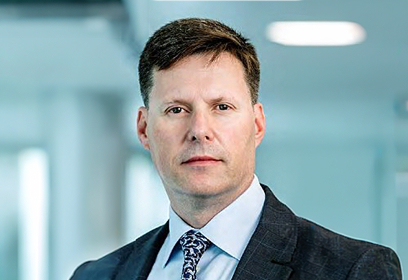
Technology and productivity gains will determine long-term competitiveness
Chief Executive Officer | Anglo American

Technology and productivity gains will determine long-term competitiveness
Ivanhoe Mines Founder and Executive Co-Chairman

Technology and productivity gains will determine long-term competitiveness
Chief Executive Officer | Vale
From Measurement to Momentum
The Barometer is not just a diagnostic tool – it is a call to action. It identifies five priority areas where coordinated global effort can accelerate progress and unlock the full potential of critical mineral value chains.

Diversify supply chains
Reduce concentration risk by developing new sources and processing hubs across multiple regions.

Mobilize capital
Bridge the investment gap through blended finance, de-risking instruments, and public-private partnerships.

Scale sustainable production
Adopt best practices in environmental stewardship and community engagement across the value chain.

Collaborate across borders
Strengthen multilateral cooperation to harmonize standards, share data, and align incentives.

Track progress
Establish consistent measurement frameworks to benchmark performance and drive accountability year on year.